Guides & tips
Youth Exchange Programs: Your Complete Guide to 5-21 Day International Adventures
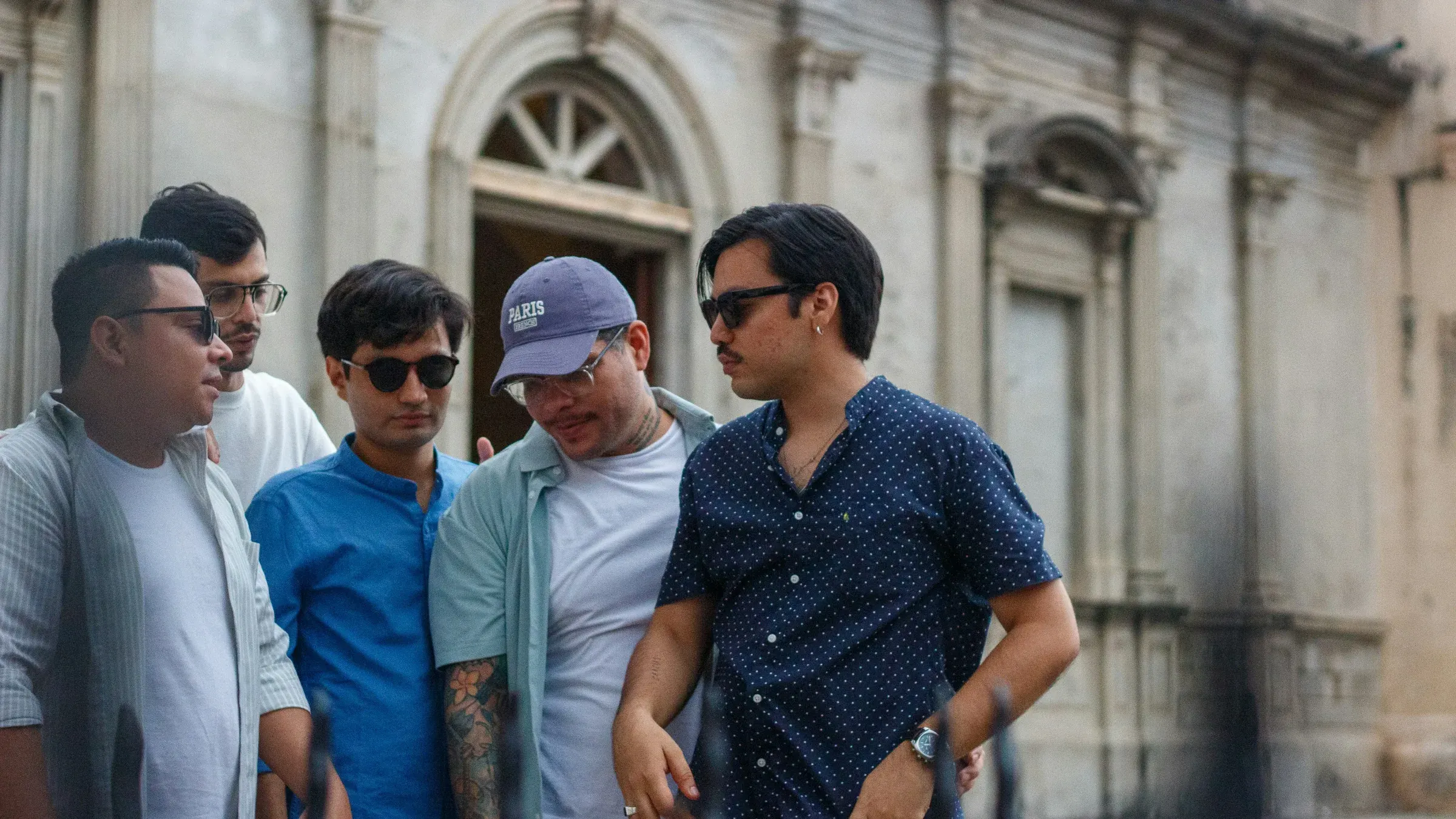
An Erasmus+ youth exchange is a transformative international experience designed to bring together young people from different countries for an intensive period of non-formal learning. During a youth exchange, groups of young people aged 13-30 gather for 5 to 21 days (excluding travel time) to work collaboratively on projects, participate in workshops, engage in cultural activities, and develop valuable skills through shared learning experiences.
Unlike traditional school trips or classroom learning, youth exchanges are grounded in non-formal education—meaning they emphasize hands-on, experiential learning where young people learn by doing rather than through lectures or textbooks. The activities are participant-centered, with young people often playing an active role in planning and organizing aspects of the exchange alongside facilitators and group leaders.
Who Can Participate in a Youth Exchange?
Age Requirements and Eligibility
Youth exchanges are open to young people aged 13 to 30 years old. There are virtually no barriers to participation—you don’t need to be a student, have a specific education level, or possess any particular academic qualifications. The program welcomes young people from diverse backgrounds and circumstances, including those with fewer opportunities.
Group Leaders
Each national group participating in a youth exchange must have at least one group leader who is at least 18 years old. If there are underage participants (under 18), the group should have at least two leaders. Group leaders are not counted as regular participants and play a distinct role in coordinating, supporting, and facilitating their group’s experience.
No Language Requirements
While a conversational level of English is typically recommended (as most activities are conducted in English), there is no mandatory language requirement. This inclusive approach ensures that young people from different linguistic backgrounds can participate fully.
Duration and Scale of Youth Exchanges
Project Length
Youth exchanges last between 5 and 21 days, excluding travel time. Travel days can add 2-3 extra days to the total project duration. While exchanges can run for the full 21-day period, most projects typically last one to two weeks on average.
Participant Numbers
A single youth exchange activity must include a minimum of 16 and a maximum of 60 participants (not including group leaders, facilitators, and accompanying persons). For youth exchanges specifically targeting young people with fewer opportunities, the minimum can be reduced to 10 participants.
Participants must come from at least two different countries, with each national group comprising a minimum of 4 participants. This ensures meaningful intercultural exchange and group dynamics.
What Happens During a Youth Exchange?
Types of Activities
Youth exchanges feature diverse, interactive activities designed to promote learning and cultural exchange. Common activity types include:
- Workshops focused on specific themes or skill development
- Cultural activities celebrating different traditions and perspectives
- Group discussions and debates on topics of relevance
- Role-plays and simulations exploring real-world scenarios
- Outdoor activities promoting teamwork and physical engagement
- Creative projects allowing artistic and innovative expression
- Collaborative problem-solving exercises
The specific mix of activities depends on the exchange’s theme, which might center on topics like environmental sustainability, digital skills, mental health, social inclusion, entrepreneurship, or many other priority areas aligned with European youth goals.
Non-Formal Learning Methodology
All activities follow a non-formal education approach, emphasizing peer learning, active participation, and reflection. Young people are encouraged to be actively involved in planning elements of the exchange, fostering a sense of ownership and agency.
The learning process is deliberate and structured—participants are guided through regular reflection sessions where they think critically about their experiences, identify what they’ve learned, and recognize personal growth. This reflective practice is central to recognizing and documenting learning outcomes.
What Skills and Competences Will Young People Develop?
The Eight Key Competences
Youth exchanges are specifically designed to develop the eight European key competences for lifelong learning:
- Communication in mother tongue and foreign languages
- Multilingual and intercultural competence
- Mathematical and science competence
- Digital competence
- Learning to learn
- Social and civic competences
- Sense of initiative and entrepreneurship
- Cultural awareness and expression
Practical Skill Development
Beyond these formal competences, young people develop highly practical soft skills that employers value:
- Teamwork and Collaboration – Working internationally and cross-culturally builds strong interpersonal skills, communication abilities, and the capacity to function effectively in diverse teams.
- Creativity and Innovation – Exposure to different perspectives, problem-solving activities, and creative workshops foster innovative thinking and flexibility—increasingly essential in modern workplaces.
- Independence and Confidence – Being away from home in a foreign country, navigating new cultures, and taking on responsibilities develops self-reliance and self-assurance.
- Intercultural Understanding – Direct contact with young people from different backgrounds builds empathy, reduces prejudice, and develops genuine intercultural competence.
- Language Skills – Even without formal language classes, immersion in international environments naturally improves communication abilities.
- Leadership Abilities – Youth exchanges encourage participants to take initiative, support peers, and develop leadership qualities through peer-to-peer learning.
The Youthpass Certificate: Recognition of Learning
One of the most distinctive features of Erasmus+ youth exchanges is the Youthpass certificate, a powerful recognition tool that sets these experiences apart from typical youth activities.
What is Youthpass?
Youthpass is a certificate that recognizes participation in a youth exchange as an official educational experience and period of non-formal learning. However, it’s more than just a participation certificate—it’s a personalized document reflecting each participant’s individual learning journey and competence development.
How Youthpass Works
The Youthpass process unfolds in several stages:
- During the exchange – Project organizers set aside dedicated time for participants to reflect on their daily experiences and learning
- Self-assessment – Each participant completes self-assessments describing what they’ve learned, skills they’ve developed, and personal growth they’ve experienced
- Facilitation – Youth workers or facilitators guide participants through reflection discussions, helping them articulate and recognize their learning
- Certificate generation – At the end of the exchange, organizers use the Youthpass platform to generate and print personalized certificates for each participant
- Presentation – The finished certificate is signed by organizational representatives and handed to the participant
The Value of Youthpass
The Youthpass certificate provides significant advantages for young people’s future prospects:
- Employment prospects – Youthpass certificates can be added to CVs and are recognized by employers across Europe as evidence of valuable soft skills development and international experience
- Further education – Universities and educational institutions recognize Youthpass as documentation of learning outcomes
- Self-awareness – The reflection process helps young people become more conscious of their own competences and potential, supporting personal development
- Motivation and reflection – Creating the Youthpass motivates deeper engagement during the exchange and ensures learning outcomes are consciously documented rather than forgotten
Who Can Organize Youth Exchanges?
Eligible Organizations
Youth exchanges can be organized by a wide variety of organizations, including:
- Non-profit organizations, associations, and NGOs
- European youth NGOs
- Public bodies at local, regional, or national level
- Social enterprises
- Informal groups of young people
- Profit-making bodies engaged in corporate social responsibility (provided involvement is non-commercial and genuinely youth-focused)
Partnership Requirements
A youth exchange requires a minimum of two participating organizations from at least two different countries—one acting as a “sending” organization (where participants originate) and one as a “receiving” organization (hosting the activity). Organizations from the same country can also collaborate, but international partnership is essential for genuine youth exchange.
French NGOs seeking Erasmus+ accreditation must apply to the French National Agency. One of the sending or receiving organizations must be based in France.
The Phases of Youth Exchange Organization
Successfully organizing a youth exchange involves four distinct phases:
1. Planning Phase
Before applications are submitted, organizations define:
- Project needs and objectives
- Learning outcomes for participants
- Activity formats and thematic focus
- Detailed work programme and daily schedules
- Target participant groups
- Budget and resource requirements
In this phase, many organizations involve young people in decision-making—asking them to suggest topics, contribute ideas for activities, and participate in research about partner countries.
2. Preparation Phase
Once funding is approved, extensive preparation begins:
- Establishing formal agreements with partner organizations
- Arranging practical logistics (accommodation, meals, transport, insurance)
- Organizing participant recruitment and selection
- Preparing participants linguistically, culturally, and intellectually for the exchange
- Planning specific daily activities in detail
- Arranging group leader meetings and partner coordination
Many organizations conduct preparatory visits, where representatives from partner organizations meet in person to finalize arrangements, build trust, and ensure quality.
3. Implementation Phase
During the exchange itself:
- Group leaders facilitate their groups’ participation
- Facilitators guide activities and learning processes
- Participants engage in workshops, cultural activities, discussions, and collaborative projects
- Daily reflection sessions help participants process their learning
- Regular meetings between group leaders and organizers ensure smooth functioning
4. Follow-Up Phase
After the exchange concludes:
- Evaluation of activities and overall project quality
- Documentation of learning outcomes through individual Youthpass certificates
- Reflection on what worked well and what could improve
- Dissemination of project results to stakeholders and the broader community
- Planning for sustainability and future partnerships
Funding and Financial Support
What Costs Are Covered?
Erasmus+ grants for youth exchanges cover:
- Travel costs – Transportation to and from the host country, calculated using standard unit costs based on distance
- Participant support – Daily subsistence allowances for food, accommodation, and local activities during the exchange
- Activity costs – Materials, equipment, and resources needed for workshops and activities
- Coordinator and facilitator support – Funding for staff organizing and facilitating the exchange
- Exceptional costs – Additional support for participants facing particular barriers (expensive travel due to geographical remoteness, visa costs, vaccinations, medical certifications)
Inclusion Top-Up Funding
Young people with disabilities or fewer opportunities receive additional “inclusion top-up” grants of up to €250 per month to ensure they can participate on equal terms.
Budget Planning
The specific funding amount depends on multiple factors including the number of participants, duration of the activity, countries involved, and participant profiles. Organizations work with simplified grant forms and lump-sum approaches rather than itemized budgets, making administration more straightforward.
Eligible Countries and Geographic Scope
Youth exchanges can involve partnerships across a wide geographic area:
- All 27 European Union Member States
- Associated Programme Countries: Iceland, Liechtenstein, Norway, Turkey, North Macedonia
- Partner Countries neighboring the EU: Armenia, Azerbaijan, Georgia, Moldova, Ukraine, and countries in North Africa, the Middle East, and the Western Balkans
Activities cannot take place in Belarus or Russia.
French NGOs can organize youth exchanges involving international partners from any of these eligible countries, with Erasmus+ funding supporting the mobility and activity costs.
Why Choose a Youth Exchange?
For young people, participating in a youth exchange offers unparalleled benefits:
- International experience on a practical, affordable level
- Genuine skill development through non-formal learning methodologies
- Cultural immersion and relationship-building across borders
- Recognized certification through Youthpass that enhances employment prospects
- Personal growth and increased confidence through new challenges
- Peer learning from young people across Europe with diverse perspectives
- Access for all – inclusion support ensures young people with disabilities and fewer opportunities can participate
For organizations, organizing youth exchanges builds institutional capacity, strengthens international partnerships, establishes organizational credibility, and creates meaningful impact on young people’s development.
Getting Started with Your First Youth Exchange
If your NGO is considering organizing a youth exchange, the first steps are straightforward:
- Identify international partners – Connect with organizations in other countries through Erasmus+ networking events, databases, and training calendars
- Build a partnership agreement – Establish clear roles, responsibilities, and shared objectives with your partner organization
- Decide on your theme – Choose a topic aligned with your organization’s expertise and current European priorities (digital skills, inclusion, sustainability, etc.)
- Define your participant group – Clarify who you want to reach and design inclusion measures if necessary
- Apply for accreditation – If planning multiple youth exchanges, pursue Erasmus+ accreditation with the French National Agency
- Access support – Join training and cooperation activities (TCAs) organized by the National Agency to build your capacity
Conclusion
Youth exchanges represent one of Erasmus+’s most powerful and accessible tools for youth development. The combination of structured non-formal learning, international collaboration, genuine skill development, and recognized certification through Youthpass makes these 5-21 day adventures transformative experiences for young people across Europe.
Whether you’re a young person seeking a life-changing opportunity or an NGO looking to expand your impact, Erasmus+ youth exchanges offer an evidence-based, fully-funded pathway to international learning and personal growth. The program’s flexibility, inclusivity, and focus on real competence development make youth exchanges an investment in young people’s futures—and in building a more connected, culturally aware Europe.